The Lithuanian Plastics Cluster has grown significantly and renewed itself, bringing a group of new companies on board!

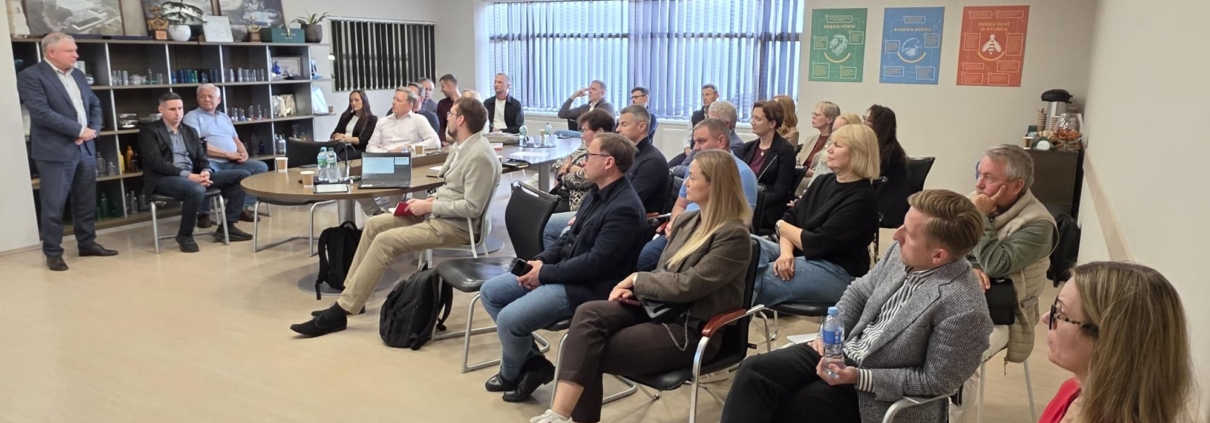
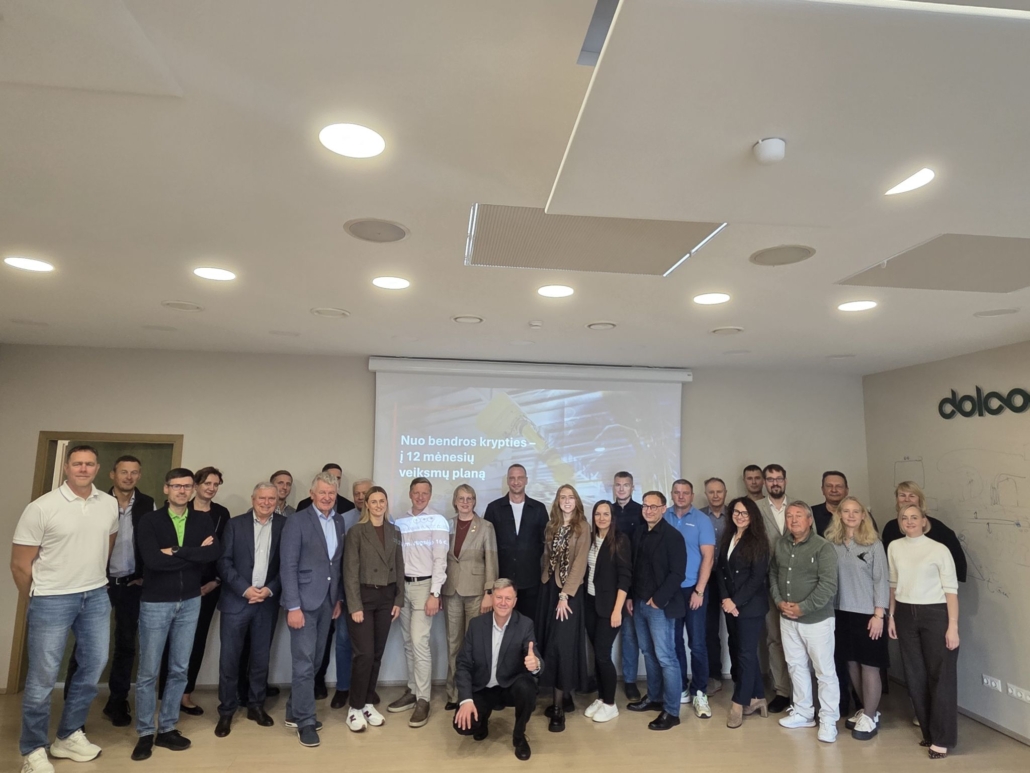
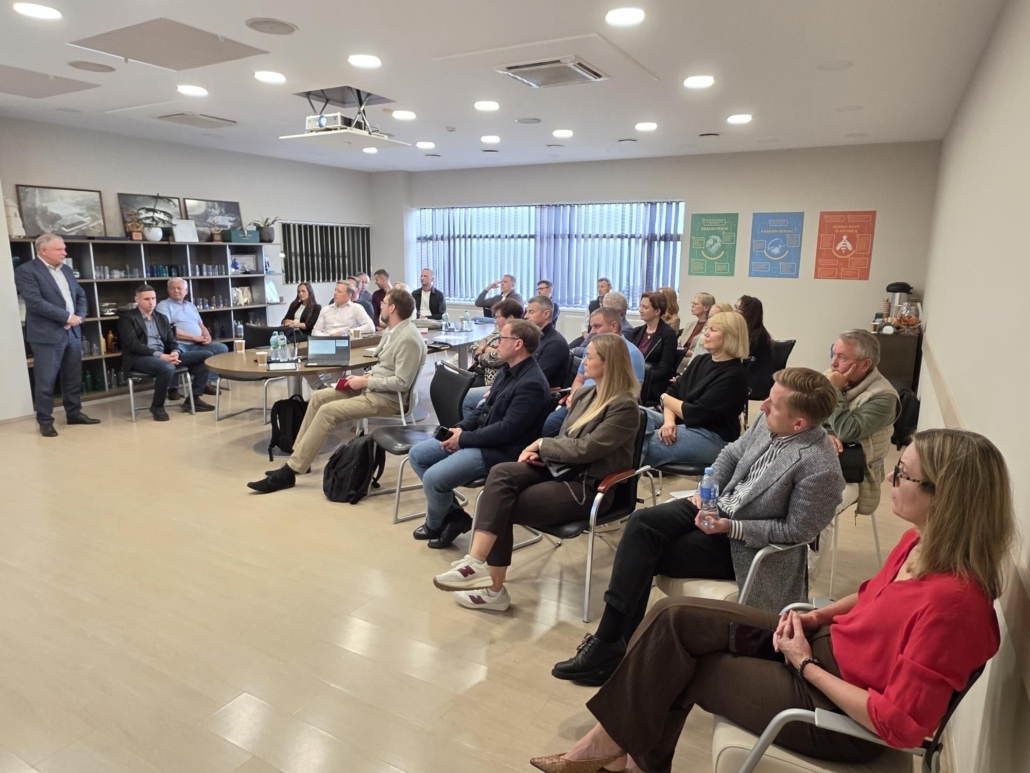
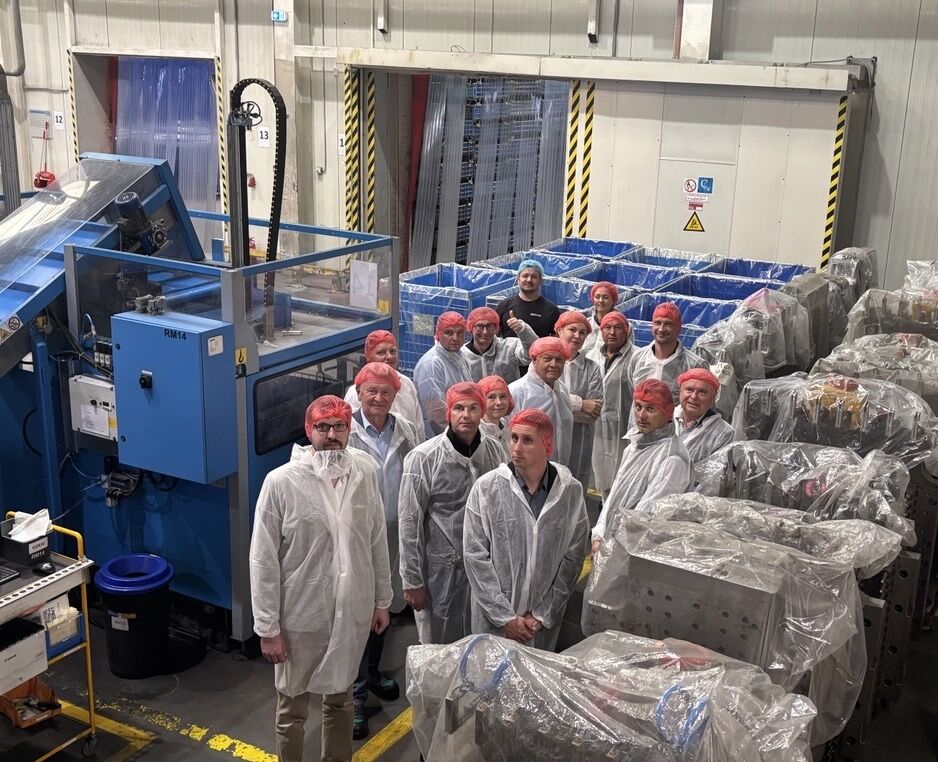
We began a new chapter for the cluster with a strategy session at Doloop (UAB Putokšnis). Many thanks to the company’s energetic team for the excellent venue and an interesting tour!

We formally renewed our Joint Activity Agreement and welcomed new members. These companies have decided that together we can achieve more than any of us alone: UAB Autoplasta | FlexBlow | UAB Hoda | Kaunas University of Technology | LINPRA – Engineering and Technology Industries Association of Lithuania | Pack Klaipeda | PLAMIKA UAB | Plasteksus UAB | Šiauliai State Higher Education Institution | Artilux NMF | Intersurgical | Plaga | UAB Plasteda | ROTOMA UAB | Stigma UAB | STRAPA JSC | Telko Lithuania | UAB Umaras | Visaginas Technology and Business Vocational Training Centre

We agreed on three priorities:

1. Dialogue with government. We will engage and work with the authorities, sharing our expert proposals, assessments and position.

2.Exports and growth. We have planned joint business missions and participation in international trade fairs. We go to foreign markets together because it is cheaper and faster, and it carries more weight.

3.The industry’s voice and education. We are challenging long-held myths. The public often overestimates the harm plastic does and forgets that nature is polluted by irresponsible human behaviour, not by the material itself. Our plastic products use only raw materials from trusted suppliers. These materials are recyclable and meet the strictest sustainable manufacturing standards. We aim to speak about this more loudly.

Thank you to our long-standing and new members for your commitment, bold ideas and team spirit. Onwards!

Welcome to Intersurgical, the newest member of the Lithuanian Plastics Cluster community!

Martynas Grieze, Director of Operations in Lithuania, says: “For us, membership in the Lithuanian Plastics Cluster is a chance to join forces with other companies. Together we can shape a shared vision for the cluster and the industry, and speak with one strong voice. We hope that by working together we will be better heard and able to represent the sector’s common interests constructively. Our goal is to understand what the cluster can do in Lithuania and to have a greater say in the future of the Lithuanian plastics industry. We want to help build a better environment for innovation and for adding more value in the plastics sector.”

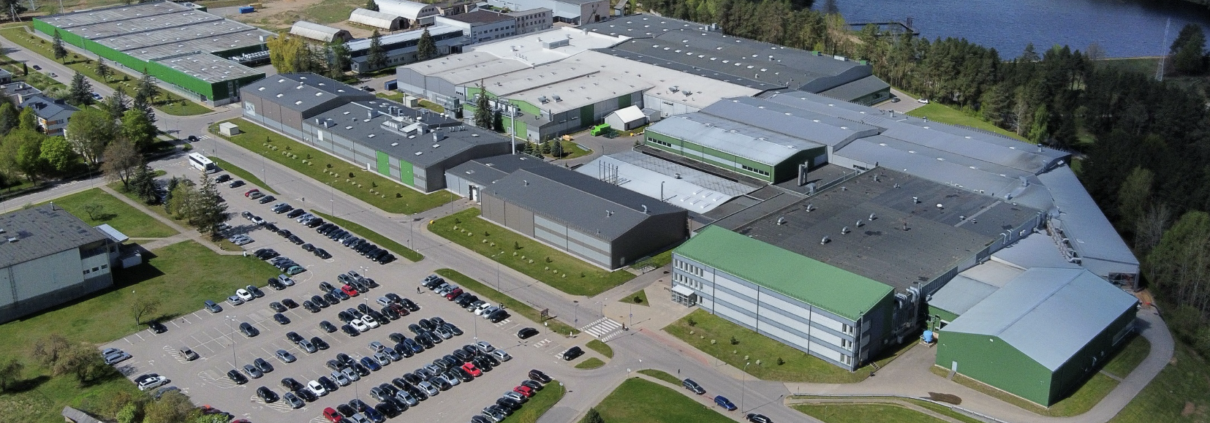
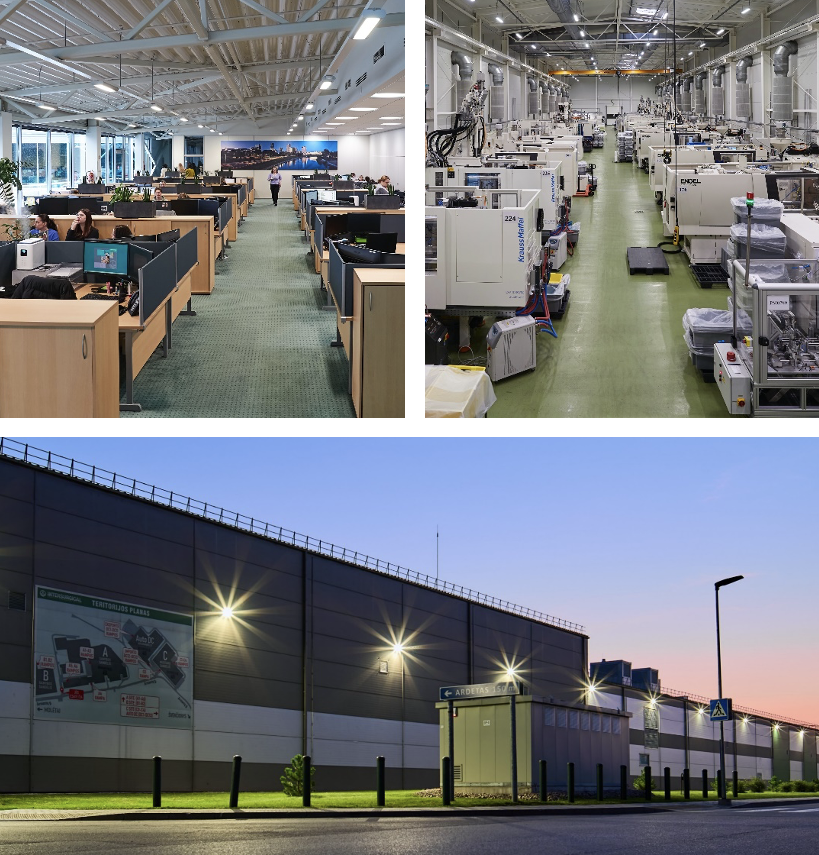
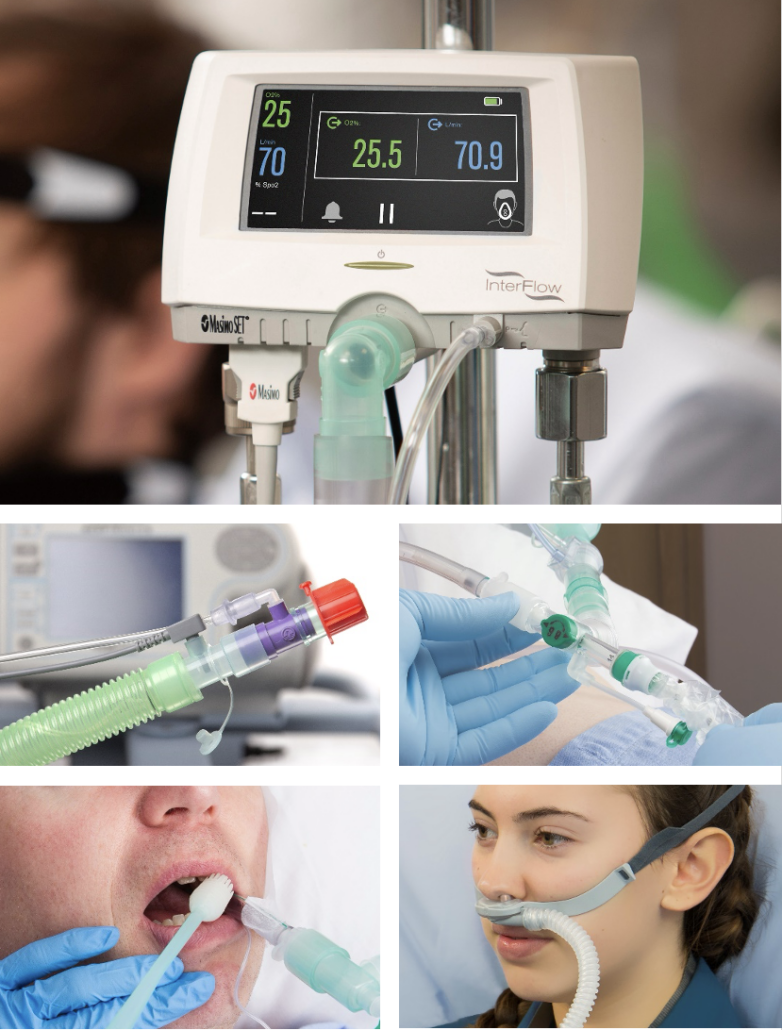
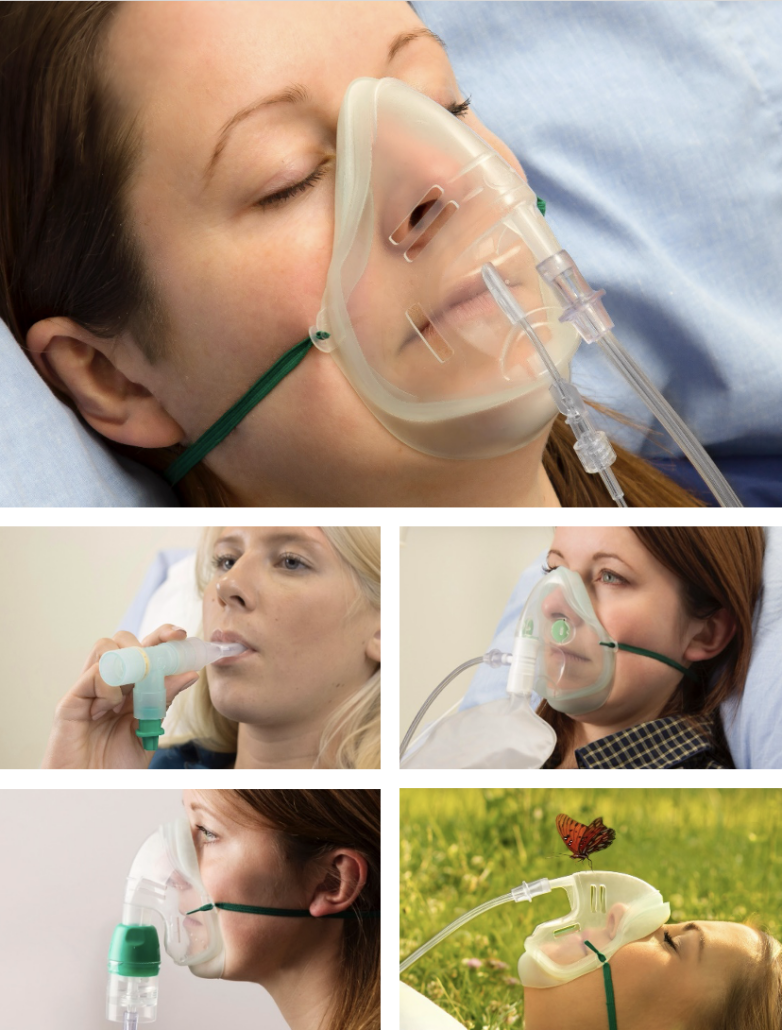
Intersurgical is an outstanding example of innovation in both industry and healthcare. The company designs and manufactures world-class medical devices for respiratory care and life support. Its products save lives in hospitals around the world every day, and two of its most advanced plants are in Pabradė and Visaginas.

Intersurgical‘s four respiratory care product groups:
🔹 Airway management
🔹 Anaesthesia
🔹 Critical care
🔹 Oxygen and aerosol therapy

Intersurgical‘s products are designed for emergency care, hospitals and home care. They meet the changing needs of healthcare providers and their patients. With more than 40 years of experience, the company keeps improving its products and services, which keeps it at the forefront of innovation.

We are glad to see Intersurgical so involved, and we look forward to reaching even bigger KPIs together!

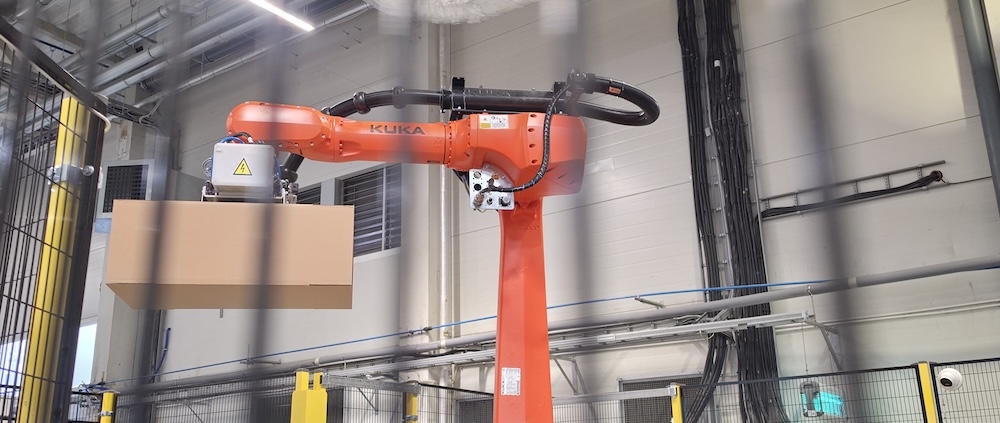
Pack Klaipeda is taking a well-planned strategic step! The company is investing almost €165,000 in a robotic arm to automate product packing. Any company that wants to stay competitive and adapt quickly to market pressure needs to make moves like this.

The packing line is one of those parts of production where monotonous physical work takes a lot of people. The plant runs a continuous four-shift schedule, so this investment will eliminate 8 packer positions (2 per shift).

For the business, this means leaner processes and fundamental change:

  • Less exposure to labour shortages. It’s no secret that finding and keeping workers for physical, repetitive tasks is getting harder. The robot keeps the cycle running no matter the season or shift rotation.
  • Consistent quality and speed. The robotic arm moves precisely, so every product is packed to the same standard. It removes human error and makes the whole line more productive.
  • Better use of talent. People in production are too valuable to spend on mechanical tasks. With packing automated, we can move them to work that needs critical thinking, oversight and decision-making.

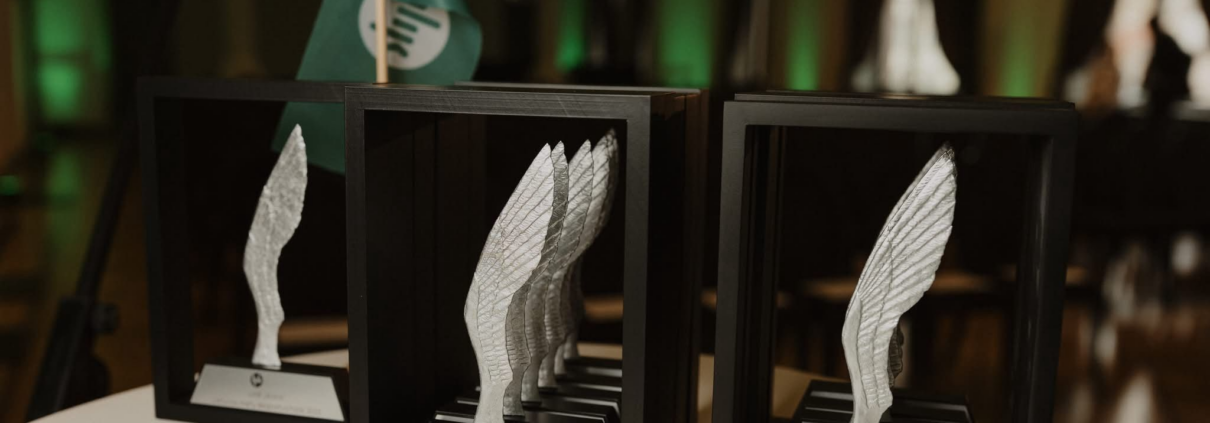
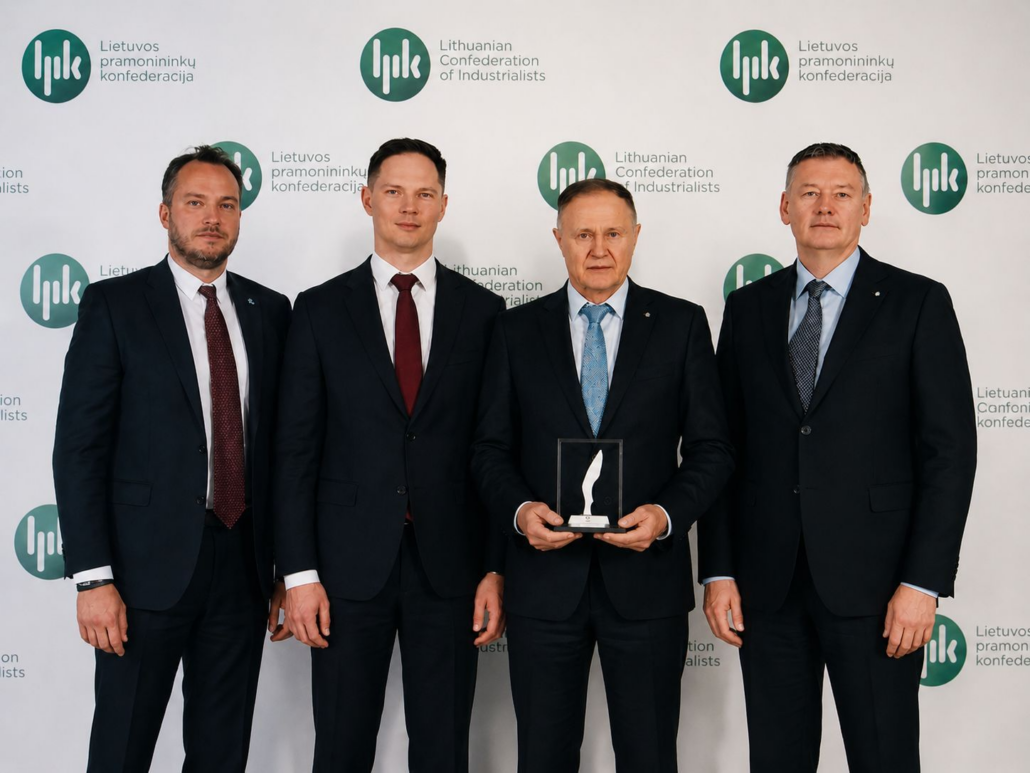
UAB Pack Klaipeda was officially named ‘Lithuanian Exporter of the Year 2025’ by Lithuanian Confederation of Industrialists. Congratulations!

This marks the 15th time the company has received this prestigious award. It’s a powerful testament to their hard work, high quality standards in international markets.

Even during changing economic times and global competition, ‘Pack Klaipėda’ has remained a reliable partner for its clients and a top leader in Lithuania’s export industry.

More Than Just Business Success

This award represents much more than financial growth. It is a direct celebration of the company’s dedicated team, deep industry expertise, continuous drive for innovation, and daily commitment to responsibility.

Moving forward, UAB Pack Klaipėda remains fully committed to its strategic path of global expansion, innovation, and absolute quality excellence.

Leaders of the Lithuanian plastics sector gathered at Kaunas University of Technology to join forces in addressing the industry’s most pressing challenges. During the meeting, initiated by the Lithuanian Plastics Cluster, it was emphasised that a close link between manufacturing companies and universities as well as education/reserach centres is the key to a successful circular economy and international competitiveness.

We want to thank the plastics industry representatives for their active participation in our meeting. Your insights and the constructive dialogue prove that Lithuanian manufacturers are well-positioned and successfully navigating market changes.

👏 Special THANKS goes to Kazimieras Juzenas, Associated Professor at KTU and Prof. Dr. Virginija Jankauskaitė!

🔝 This event marked the start of a new phase of cooperation that will help the Lithuanian plastics industry grow sustainably.

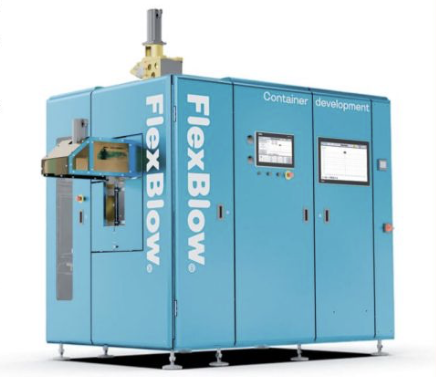
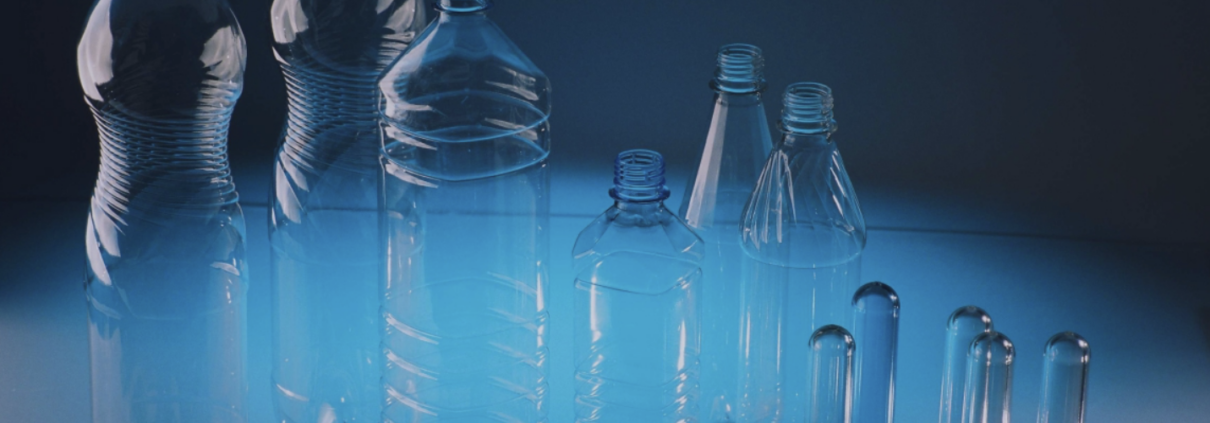
Catch the future of PET development at Interpack 2026! FlexBlow is proud to unveil their next-generation stretch blow moulding lab machine. The company engineered full-scale production logic, pre-series validation, and prototyping into a footprint that is 30% more compact (under 5m²) — setting a new benchmark for industrial development equipment.

Why it’s important:
➡️ Maximum Flexibility. It can produce up to 99% of PET bottle designs used across the industry.
➡️ Rapid Changeovers. Tool-less mould changes in just 1 minute; complete format changes in under 10 minutes.
➡️ Auto-Reproducibility. All blowing parameters sync automatically to the FlexBlow Efficiency Cloud.
➡️ Seamless Scaling. Compatible with any mould (shell, block, or modular) making lab results instantly transferable to full-scale manufacturing.

The first machine of this new lab concept has been selected by a leading Japanese customer. It’s a significant achievement of the FlexBlow Team!

Stop by FlexBlow booth at Interpack 2026 to see why leading industry players are already adopting this new lab concept!

Doloop secured an AA grade — the maximum possible rating under the newly introduced BRC Global Standard (BRCGS) for Packaging and Packaging Materials, Version 7.

With 30 years of expertise in the PET industry, Doloop has successfully navigated many standard evolutions over the decades, but achieving this particular benchmark stands out as a major point of company pride.

The BRCGS (Brand Reputation Compliance Global Standards) Global Standard for Packaging Materials, V7 is the latest, globally recognised certification standard that ensures the safety, quality, legality, and authenticity of packaging products. It was the first packaging standard to be benchmarked by the Global Food Safety Initiative (GFSI) and is highly respected across the supply chain.

What is New in Version 7?
V7 was developed to address emerging industry risks, global supply chain challenges, and new packaging trends. The most significant changes include:
– Expanded Scope (Single-Use Products)
– Stronger Product Safety Culture:
– Refined Hazard Analysis and Risk Assessment (HARA):
– Enhanced Allergen Management
– Stricter Traceability
– Mandatory Unannounced Audits.

Why Does It Matter?
Achieving certification under BRCGS V7 proves to brands, retailers, and food service companies that a packaging supplier is:
– reliable,
– proactive about risk management,
– fully compliant with international safety expectations.

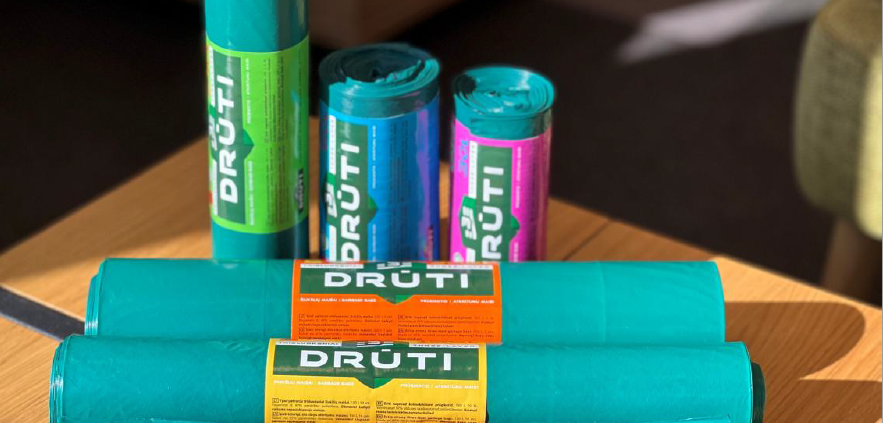
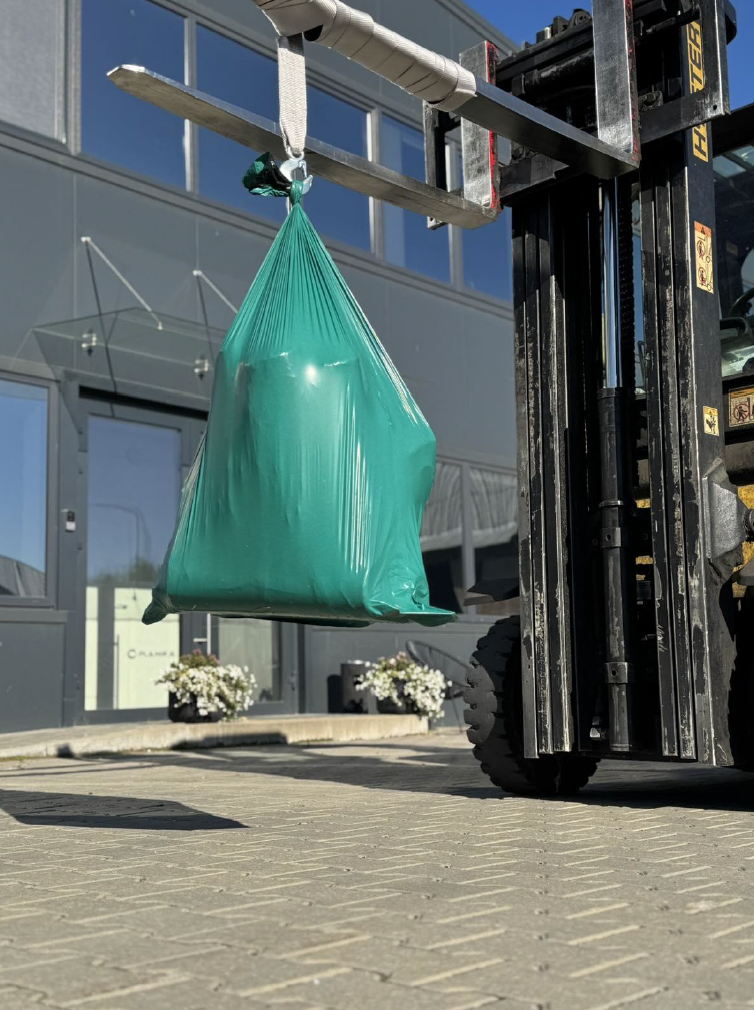
UAB Plamika introduces a next-generation solution to the market: DRŪTI polyethylene bags, using co-extrusion technology.

The Team of UAB Plamika is constantly seeking ways to combine innovation with practical efficiency. Recognizing that a single polymer cannot provide the full range of necessary properties, they have used the co-extrusion technology. This allows the simultaneous extrusion of three and more polymer layers, creating an exceptionally strong structure.

What makes DRŪTI products stand out? The triple-layer structure ensures the properties demanded by today’s market:
– Exceptional Durability. High resistance to tearing, puncturing, and stretching.
– Reliability. Superior sealing and elasticity.
– Quality. Excellent optical and barrier properties.
– Sustainability. Manufactured using 97% recycled plastic.

DRŪTI bags offer potential cost savings and an aesthetically pleasing appearance.

In comparison with mono-layer technology, 3-layer co-extruded bags offer higher strength and better physical properties while being thinner and reducing raw material consumption.

A wide range for every need:
– 30 L – for everyday household use.
– 60 L & 120 L – for private and professional use (larger bins).
– 150 L & 240 L – ideal for construction, renovation, or green waste.
– 350 L – large capacity bags designed for domestic containers.

We are glad for the innovation of our Cluster’s member – UAB Plamika!

The past year has been a period of ambitious change and consistent growth for Pack Klaipeda. Successfully implemented investments and expansion into foreign markets allowed the company to not only reach but exceed its annual targets.

Financial Results and Market Expansion

2025 was characterized by a rapid pace for the company. Pack Klaipeda achieved a remarkable 17% increase in turnover compared to 2024. This success was driven by targeted expansion into the Benelux countries and a consistent update of the product portfolio, which strengthened the company’s position in the international arena.

Investing in Modernisation

To achieve even greater operational efficiency, Pack Klaipėda invested €1.2 million into new production lines and infrastructure. This technological leap has opened new doors for the company:
➡️ Introducing innovative products to the market.
➡️ Attracting new, large-scale clients.
➡️ Automating processes and increasing production capacity.

Sustainability and Top Standards

The company continued to strengthen its commitment to quality and environmental responsibility. In 2025, international standards ISO 22000 and ISO 45000 were implemented. Additionally, a solar power plant installed on the building’s roof already covers up to 10% of the company’s total electricity consumption.

Challenges as a Sign of Growth

The successful introduction of new products and increased sales volumes brought new operational challenges. The main hurdle in 2025 was a shortage of storage space. It’s a clear indicator of the need for further infrastructure development.

2025 was a year of strategic transformation for Pack Klaipėda, where a 17% revenue surge and €1.2M investment in technology and sustainability solidified the company’s position as a growing leader in the Benelux and international markets.

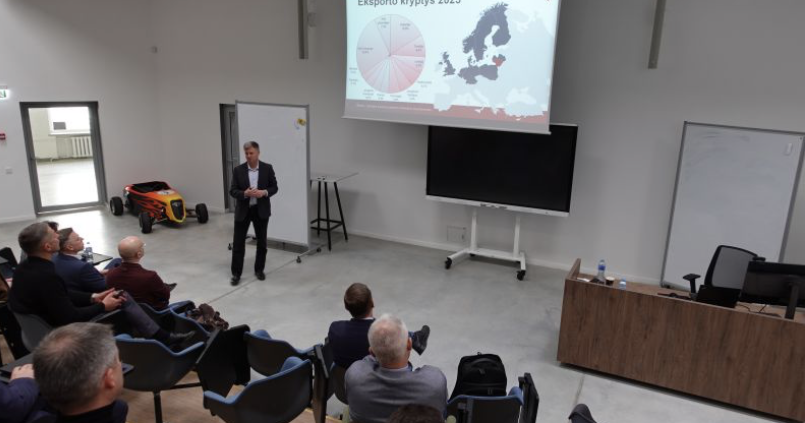
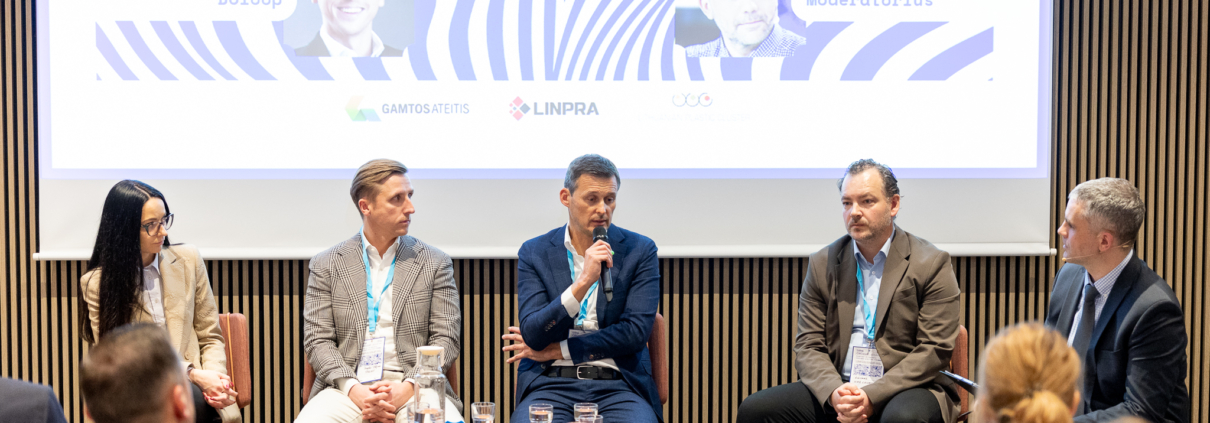
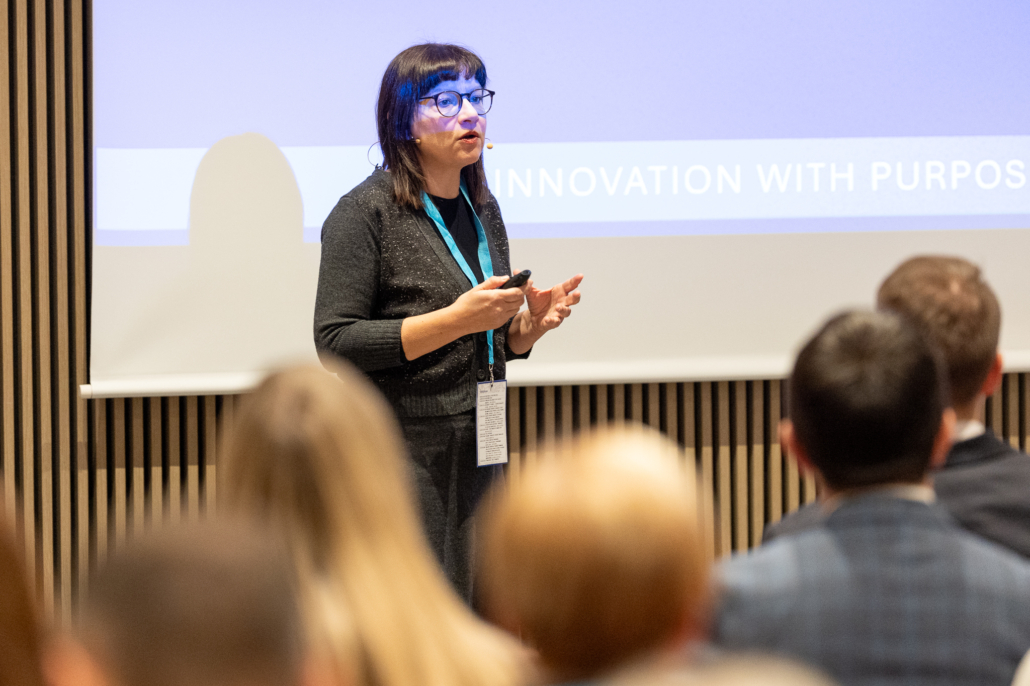
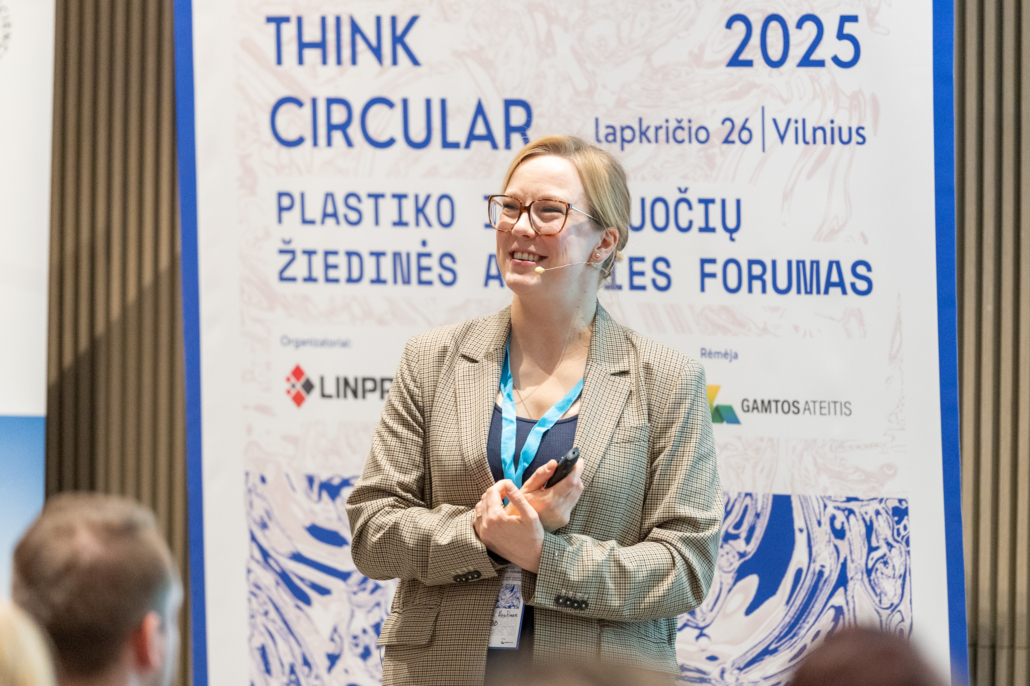
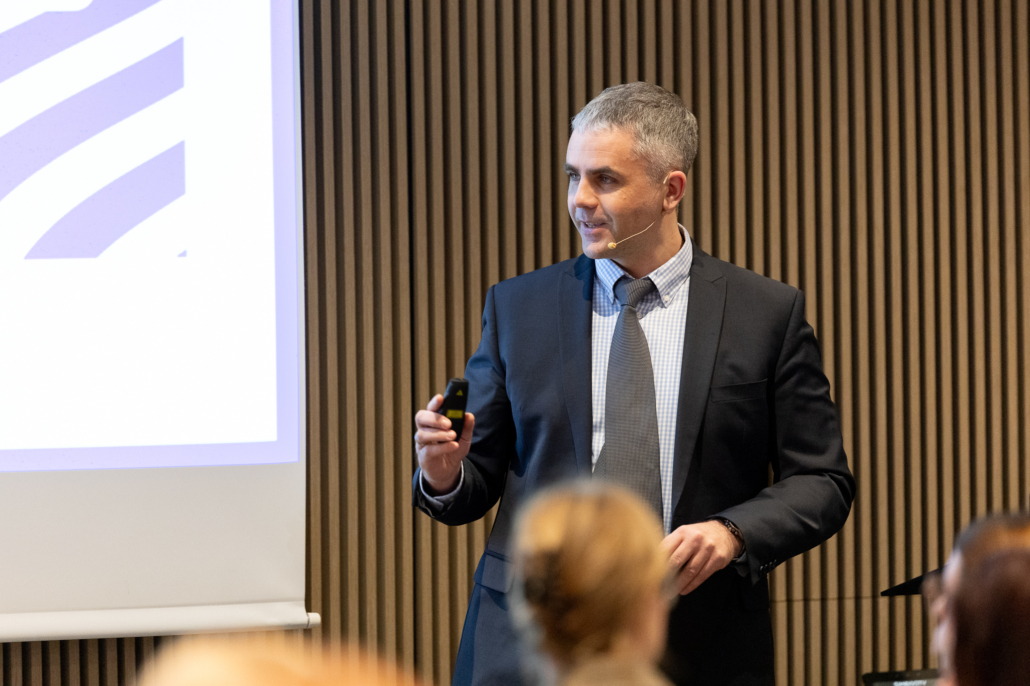
The Think Circular 2025 forum held in Vilnius brought together experts in packaging, plastics, manufacturing, recycling, waste management and sustainability to discuss the European Union’s circular economy developments and their impact on business. The event highlighted not only technological and regulatory transformations, but also the growing importance of international partnerships. Special attention was given to cooperation with AIMPLAS, one of Europe’s most renowned plastics technology research organizations. Rosa González, a representative of AIMPLAS, analysed global trends in the plastics sector and outlined future directions for collaboration with the Lithuanian Plastics Cluster, which is a member of the organization.

The forum thoroughly discussed upcoming EU legislation that will change requirements for the design, production and waste management of packaging and products. Regulation (EU) 2025/40, entering into force in January 2025, will introduce a new system for assessing packaging recyclability, obliging manufacturers to ensure recyclability aspects of packaging by 2030. The need to reduce excessive packaging elements, review material composition and increase the share of recycled raw materials was also emphasized. Another important step is Regulation (EU) 2024/1781, which introduces the digital product passport, ensuring more transparent dissemination of information on product composition, origin and environmental impact throughout its entire life cycle.

Ecodesign was presented as one of the key pillars of the circular economy, helping reduce material use and ensuring that products become easier to recycle or reuse. Speakers stressed the need to shift toward monomaterials, lighten packaging, and avoid design choices that hinder recyclability. The integration of renewable and recycled raw materials into production and the use of by-products in different industries were also highlighted.

Business sustainability transformation is impossible without cooperation. Companies within the Lithuanian Plastics Cluster actively share knowledge and jointly implement innovative projects, with one of their key goals being to strengthen their position in international markets. Cluster members aim to grow together by developing modern, sustainable solutions that can be competitive not only in the Baltic region, but also worldwide.

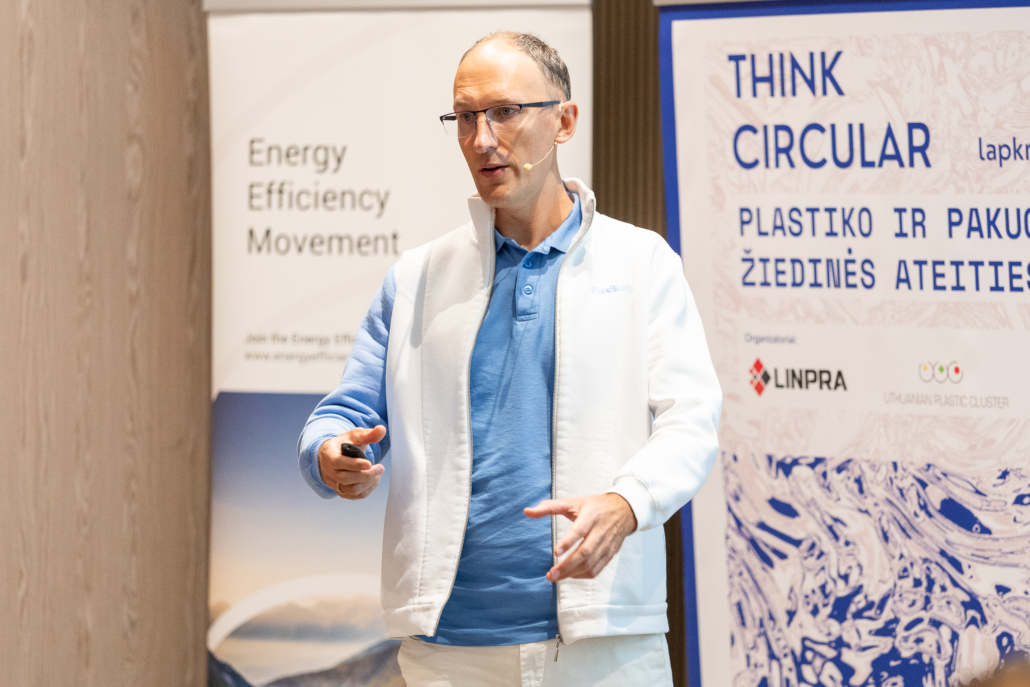
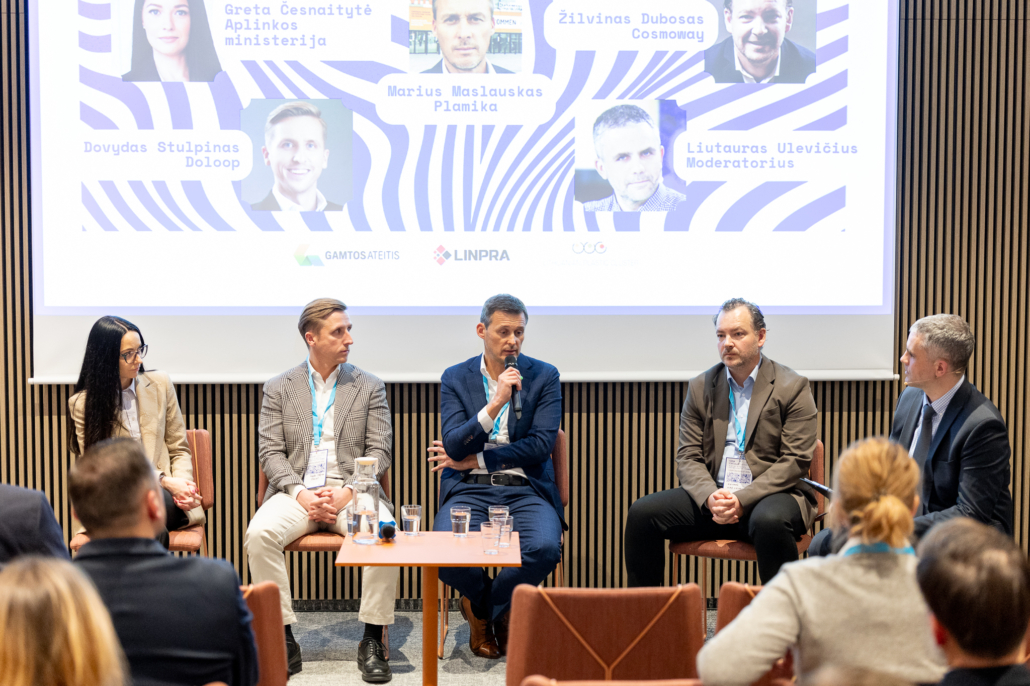
The event was enriched by numerous expert insights and practical examples. Sanna-Mari Kaakinen presented ABB’s experience in implementing “Zero Waste to Landfill” principles, Greta Česnaitytė reviewed the impact of the PPWR regulation on Lithuania’s packaging system, and Audrius Jasėnas discussed the financial and tax challenges that companies will face starting in 2026. FlexBlow CEO Gintautas Maksvytis also delivered an informative presentation, introducing advanced manufacturing and sustainability integration solutions. During the panel discussion, members of the Lithuanian Plastics Cluster – including Dovydas Stulpinas (Doloop), Marius Maslauskas (UAB Plamika) and others – shared their insights.

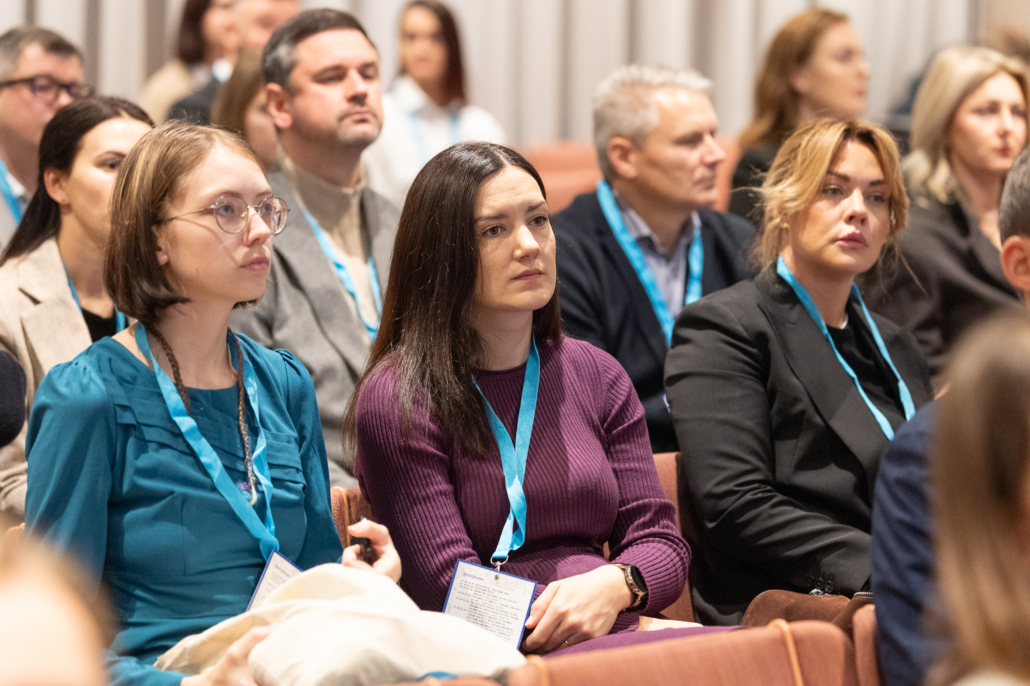
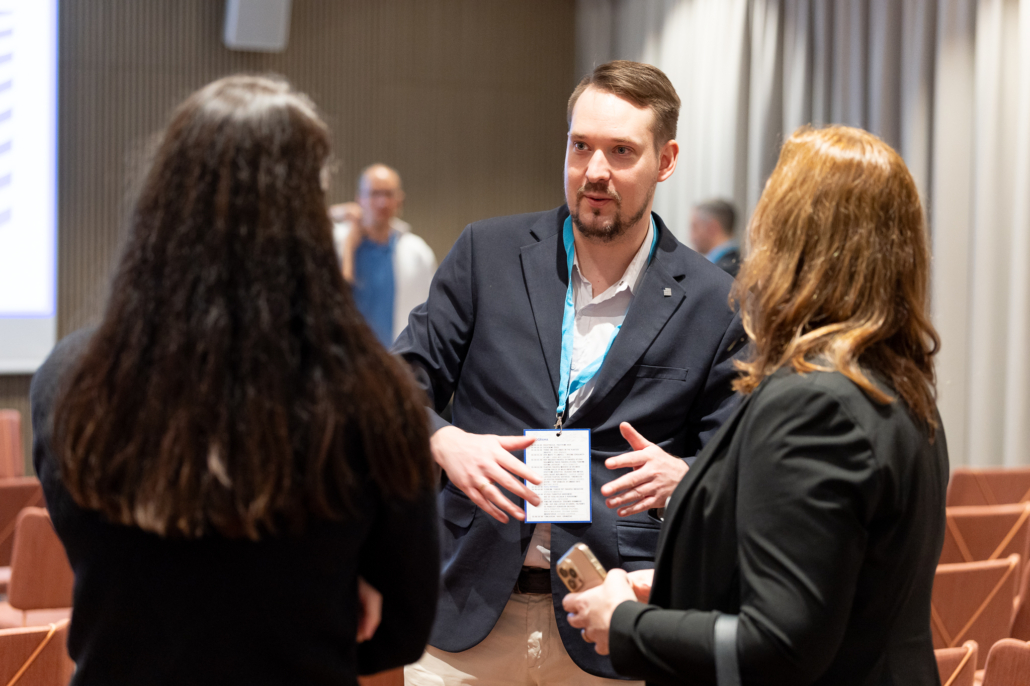
The networking session following the presentations provided participants with opportunities to build new partnerships, exchange experiences and strengthen cooperation between business, academia and the technology sectors. Participants unanimously agreed that progress in the circular economy depends directly on the ability to share knowledge and work together. The event organizers thank all participants and hope that these discussions will lay a strong foundation for future joint projects and a more sustainable future for the plastics and packaging sector.